The best advice for aspiring writers

The advice comes from Stephen King in his 2000 book On Writing, A Memoir of the Craft.

If you aspire to be a competent writer (and leave 90 percent of the rest of us behind) you must do two things:

  1. Read a lot;
  2. Write a lot.

It doesn’t matter what you plan to produce. It could be a poem, fiction, non-fiction, a speech or a policy document.

King’s two simple rules teaches all of us about “style, graceful narration, plot development, the creating of believable characters and truth-telling”.

King says continual reading and writing is a spur, “goading the writer to work harder and aim higher”.

Being swept away by a combination of great story and great writing–of being flattened, in fact, is part of every writer’s necessary formation. You cannot hope to sweep someone else away by the force of your writing until it has been done to you.”

Stephen King, On Writing, Pg. 146.

King also makes a controversial claim: While it is impossible to make a competent writer out of a bad writer, and while it is equally impossible to make a great writer out of a good one,

“….it is possible, with lots of hard work, dedication and timely help, to make a good writer out of a merely competent one.”

Stephen King, On Writing, Pg. 142

I guess the lesson is you’re born with some of it, but have to work for the rest.

Tough, but probably true.

This is now.

The Canada Geese are marshalling over Regina, making suspicious moves towards the south. Like all smart creatures, they are planning strategically for the future.

However, don’t forget; summer is now. All you have to do is look around.

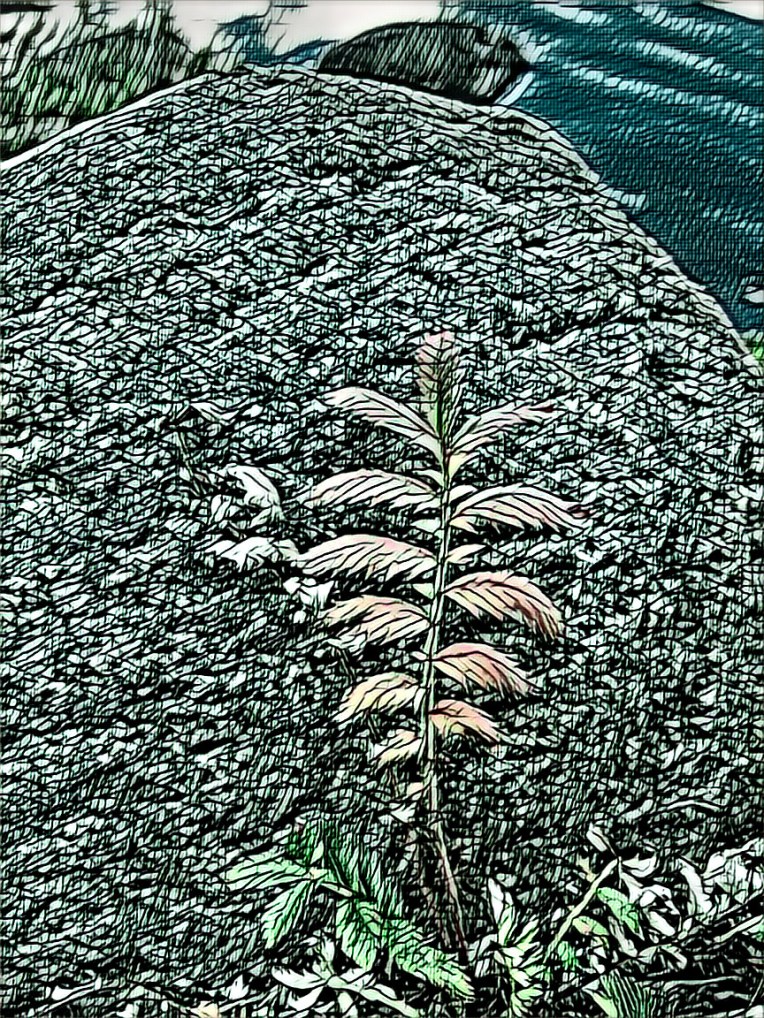
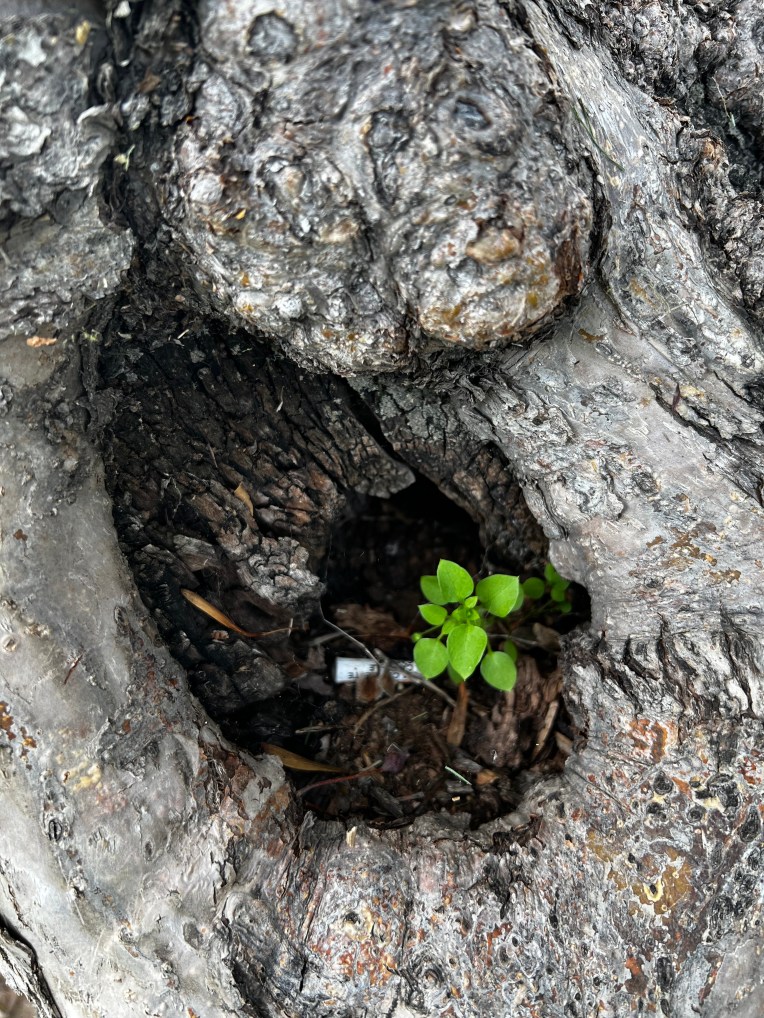
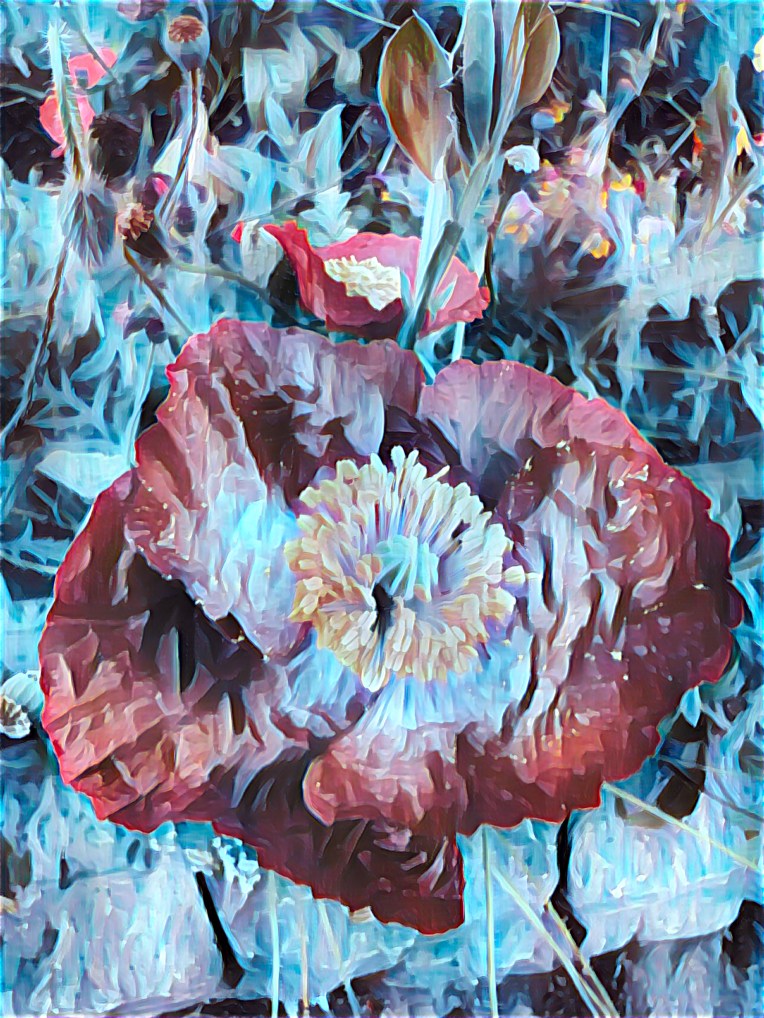
  • Photos taken by the author in the second week of August, 2025, in and around the Regina Saskatchewan area.

Looking after the details to avoid a comms. crisis

When you are in government, you need people who are able, in one or two sentences, to articulate a broad strategic vision; someone to explain what it is you’re doing and how today’s “what” fits into the broader “why”.

However, in order to avoid a communications crisis, you also need people (or at least one person) who is buried in the details, looking for those unintended consequences that busy people don’t or can’t see. To get good at this skill requires a special mind, able to assess all of the potential consequences and assess risk. A little bit of experience also helps.

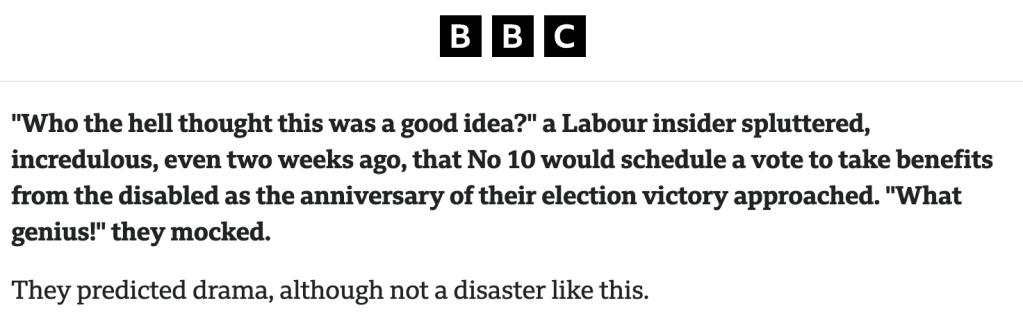
This week in the UK, we saw a government fail at the details while trying to achieve goals related to its broader vision. UK Labour was forced into a series of major concessions to avoid a full scale revolt on long-anticipated welfare cuts.

And every journalist was handed a gift when the final vote aligned with the first year anniversary of Labour’s general election victory:

Things can look stupid and obvious retrospectively.

The essence of excellence in political communications is anticipating the “fail” before it happens.

The drama in the UK reminded me of recent events in Saskatchewan.

Back in my day, someone was responsible for looking at event guest lists and looking for potential problems and quietly solving said problems. Apparently that no longer happens. And while anyone is free to attend the Saskatchewan Legislature, an invitation from a sitting member or the government is another matter.

In the Saskatchewan example, you can write it all off as an example of an older government, losing control over the fundamentals.

In the UK example, it’s perhaps more troubling this his happening on the first anniversary of a Labour government.

Don’t just do something, stand there:

An important reminder from south of the border about damage control and crisis communications: Sometimes doing nothing is the best thing to do.

Witness Senator Joni Ernst, who made a dismissive comment at a public meeting about medicare cuts, then made matters far worse with an “apology” video, riddled with sarcasm and attempts at humour. It failed. As the CBC’s Journalistic Standards and Practice document reminds us, sarcasm is a delicate instrument and should be used sparingly.

In my experience, getting a politician to do nothing is an extremely difficult task. Elected officials want to be seen to be doing things. Overall, that can be a virtue; except when the thing you pick to do makes matters far worse.

For those interested, the whole story can be more fully explored at the link below, which will take you to an excellent column by New York Times opinion writer Michelle Cottle. As Cottle wisely points out, when you do something incredibly stupid or insensitive in the public arena, best not to highlight that mistake:

And Cottle also explores something I’ve been thinking about for a while: Why is it that many of our elected officials seem constitutionally incapable of delivering a sincere apology?

There have been many examples in Saskatchewan politics of elected officials trying to control the damage, only to make matters worse. The one that immediately comes to mind is a former finance minister, who flew to a luncheon instead of driving. It’s a story that would have died in hours through inattention. However, the powerful desire to fix things overcame reason and experience. If your only excuse was “I was exhausted”, just stay in your office.

https://www.cbc.ca/news/canada/saskatchewan/sask-finance-minister-says-she-won-t-apologize-for-8k-chartered-flight-1.6525318: Don’t just do something, stand there:

I suspect the long term political consequences for Joni Ernst will be minimal. The good people of Iowa elected her in 2014 with over 52 percent of the vote, flipping the seat from Democratic to Republican.

But it does offer a reminder to elected officials with less secure margins of victory: Sometimes less is more. And if you do want to apologize, make sure you don’t make matters worse.

And remember the communications advice from Sir Humphry Appleby in Yes Minister: Don’t just do something, stand there.

Nothing gold can stay

Robert Frost 1874 – 1963

Nature’s first green is gold,
Her hardest hue to hold.
Her early leaf’s a flower;
But only so an hour.
Then leaf subsides to leaf.
So Eden sank to grief,
So dawn goes down to day.
Nothing gold can stay.

backyard images

Nature’s peace will flow into you as sunshine flows into trees. The winds will blow their own freshness into you and the storms their energy, while cares will drop off like autumn leaves.”

John Muir